Legends of Asgard
Songs praise golden halls, radiant thrones, and heroes crowned in light. Yet songs weave lies.
A mythic saga of fallen gods, fractured realms, and rewritten destiny.
The Saga
Songs praise golden halls, radiant thrones, and heroes crowned in light. Yet songs weave lies.
Within Asgard's shining walls fester secrets older than any saga-every oath conceals betrayal, every triumph drips with blood, every crown balances on stolen power.
Perfect for Readers who Love
• ⚔️ Norse mythology with original lore
• 👑 Divine politics, betrayal, and royal intrigue
• 🩸 Found family, rebellion, and moral conflict
• 🔥 Slow-burn tension with emotional stakes
• 🌌 Interconnected stories spanning gods and realms
Enter the World of Asgard
The story begins where legends end.
A Living Myth
The Legends of Asgard universe spans gods, realms, generations, and forgotten wars. Each story stands on its own — but together they form a larger myth, where choices echo across centuries.
The Saga Awaits
Begin the story where legends fall and destiny is rewritten.
📜World Guide
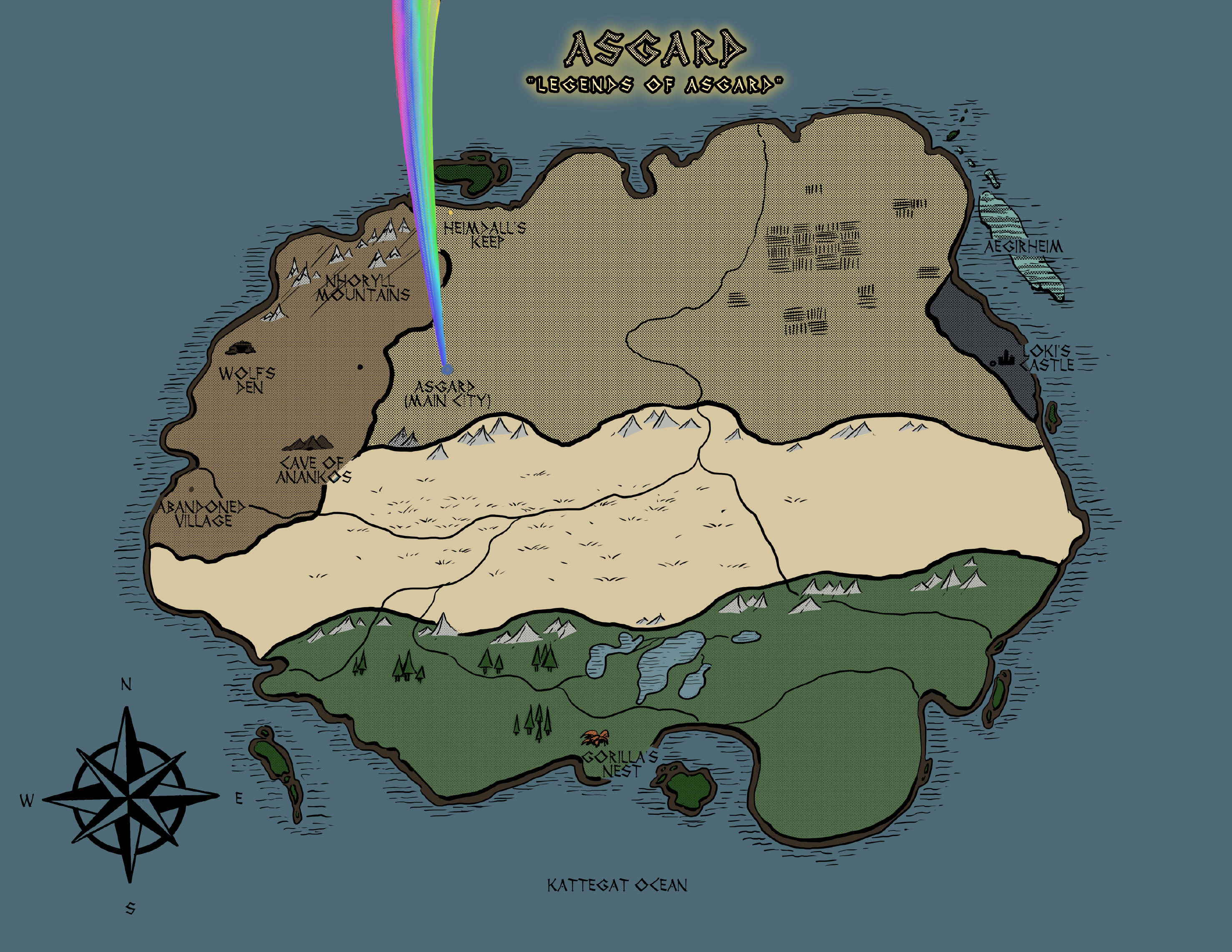
Welcome to the world behind the saga.Legends of Asgard is not a single story, but a living myth — a tapestry of gods, mortals, bloodlines, betrayals, and quiet moments that echo louder than war.These realms are bound by ancient laws, strained by power, and shaped by those who dare to defy what they were told was inevitable.Here, lineage carries weight. Magic demands a price. Love is never simple — and history remembers everything.This guide exists not to explain every secret, but to give you your footing before the journey begins.Step carefully.
The world is watching.
Guide to the Nine Realms
Álfheimr
Álfheimr is the radiant realm of the Light Elves, a land shaped by beauty, magic, and harmony with the natural world. Bathed in near-perpetual light, its forests shimmer, its rivers gleam like glass, and its people are renowned for their artistry and grace.Yet Álfheimr is not entirely gentle. Beyond the luminous courts lie deeper forests where older, wilder forces linger — places where magic follows instinct rather than order. Here, beauty is powerful, but never without consequence.
Ásgarðr
Ásgarðr is the seat of the Aesir gods — a realm of towering halls, divine authority, and celestial order. Valhalla stands among its greatest symbols, and the Bifrost bridges Asgard to the other realms, binding the cosmos together.But even in this bastion of structure, the wild endures. Beyond the golden cities stretch untamed regions where ancient forces predate law and throne alike. Asgard is not merely a place of rule, but of balance — where order and chaos coexist uneasily.
Helheimr
Helheimr is the quiet realm of the dead, ruled by the goddess Hel. Cold, shadowed, and distant from the warmth of the living worlds, it is where souls dwell who did not fall in glory or battle.Guarded by the roots of Yggdrasil, Helheim exists beyond sunlight and time as mortals understand it. Though often feared, it is not a realm of torment, but of stillness and reflection — a reminder that death is not punishment, only passage.
Jötunheimr
Jötunheimr is the vast and untamed realm of the Jötnar, where mountains rise like broken teeth and the land itself resists dominion. Harsh, ancient, and powerful, it embodies the raw forces of the world before order was imposed.The giants who dwell here are beings of immense strength and magic, often at odds with the gods of Asgard. Yet they are not merely adversaries — they are necessary counterweights, representing chaos, endurance, and the unyielding will of nature itself.
Miðgarðr
Miðgarðr is Earth — altered, fractured, and reshaped by ancient catastrophe. Much of the world was lost beneath rising seas long ago, leaving behind a changed land governed by enduring monarchies whose rule blends survival with legacy.Though mortal in nature, Midgard stands at the crossroads of divine influence. Its history is quietly entangled with gods, magic, and forgotten forces, making it far more than a world of humans alone.
Múspelheimr
Múspelheimr is the blazing realm of fire, ruled by the ancient giant Surtr. Its lands burn with volcanic fury, molten rivers, and skies aflame, embodying destruction and transformation in equal measure.As one of the oldest realms, Muspelheim played a vital role in the shaping of the cosmos. Though feared for its association with Ragnarök, it is not solely a realm of endings — fire here represents rebirth as much as ruin.
Niðavellir
Niðavellir is the subterranean realm of the Dwarves, hidden beneath stone and shadow. Its vast tunnels and glowing forges are alive with the sound of creation, where metal and magic are shaped into legendary artifacts.Renowned as master craftsmen, the Dwarves have forged weapons and relics that echo across all realms. Niðavellir stands as a testament to ingenuity, patience, and the quiet power of creation beneath the world’s surface.
Svartálfheimr
Svartálfheimr is a shadowed realm of deep caverns and hidden cities, inhabited by the Svartálfar — elusive beings tied to darkness, craft, and cunning. Little is known of their society, and much of their world remains deliberately concealed.Often associated with masterful creation and secret knowledge, the Svartálfar navigate the spaces between light and shadow. Their realm reflects the truth that darkness is not absence, but depth — and not all secrets wish to be uncovered.
Vanaheimr
Vanaheimr is the fertile realm of the Vanir, deities of nature, prosperity, and balance. Lush fields, flowing rivers, and thriving landscapes define this world, mirroring the nurturing power of its inhabitants.Once divided from the Aesir by war, the Vanir now stand as symbols of reconciliation and harmony. Vanaheim emphasizes growth, wisdom, and coexistence — reminding the cosmos that strength is not found in domination alone.
Gods, Bloodlines & Mortality
In the Nine Realms, godhood is not defined solely by power. A god is shaped by endurance — by the ability to survive centuries of consequence, memory, and choice. Divinity is as much inheritance as it is presence, bound to ancient forces that predate thrones and names alike.Not all who carry divine blood are fully immortal. Half-bloods and god-touched mortals exist between worlds, their lives stretched but not unbound. They age slowly, bear greater resilience, and often inherit fragments of power — yet they remain vulnerable to loss, change, and death in ways full gods are not.Lineage matters because power remembers its source. Bloodlines carry more than strength; they carry obligation, history, and expectation. In Legends of Asgard, inheritance is never passive — it shapes fate, fuels conflict, and ensures that no choice is ever made in isolation.
On Aging and Time
Time does not move equally across the Nine Realms. Full-blooded gods and realm-born beings mature slowly, their lives unfolding over centuries rather than decades. What mortals call adulthood may take many human lifetimes to reach among the divine.Those of mixed blood walk a narrower path. Half-bloods and god-touched mortals age faster than true immortals, yet far slower than humans. Their lives are extended, but not unending — balanced between legacy and fragility.Quarter-blooded descendants remain closer to mortal time, though traces of divine longevity still linger. In all cases, blood shapes not only lifespan, but how deeply time itself is felt. Memory, consequence, and inheritance stretch longer in those born of the realms.
Magic & Power
Magic in the Nine Realms is not a single force, but many. Some are born with it, their power woven into blood and breath. Others learn it through study, discipline, or devotion. There are those who inherit magic bound to lineage, and those who carry it unwillingly — marked by curses, bargains, or ancient bindings they did not choose.Divine power is often anchored to objects as much as beings. Relics, forged weapons, living seals, and the golden apples of Idunn preserve strength, memory, and form. These artifacts are not tools alone; they are contracts, each carrying history and consequence.Power always demands a price. It may erode the body, harden the heart, or reshape loyalties. Some costs are paid in blood, others in love, reputation, or rule. In Legends of Asgard, magic is never free — and those who wield it are never unchanged.
Laws, Thrones & Consequences
In the Nine Realms, a throne is not the same as rule. Crowns may grant authority, but true power is sustained through obedience, memory, and fear of consequence. Kingship is inherited; rule is earned — and often contested.Oaths bind more tightly than chains. To swear is to place one’s future in the keeping of the realms themselves. Those who break such bonds face exile, disgrace, or quiet erasure, while rebellion is remembered long after its banners fall. Victory does not erase defiance; it preserves it.Actions do not fade with time. Decrees shape bloodlines, wars reshape generations, and a single choice may echo for centuries before its cost is fully revealed. In Legends of Asgard, history is not distant — it is alive, and it keeps account.
a note on fate
The Nine Realms are steeped in prophecy, yet prophecy is not command. The future may be whispered, written, or foreseen, but it is never absolute. Knowledge of what might come does not strip beings of choice — it sharpens it.Ragnarök exists as a shadow on the horizon, not as an end to be marched toward. It is not the purpose of this saga, nor its destination. Collapse is easy to predict; what matters is who resists it, delays it, reshapes it, or refuses it entirely.Legends of Asgard is not a story about inevitability. It is a story about those who stand at the edge of fate and choose differently — and in doing so, force history itself to change.
Where the Saga Begins
The Nine Realms are vast, their histories layered with power, loss, and unfinished truths. This guide offers only a glimpse — enough to stand upon, but not enough to answer every question.The rest must be discovered through the stories themselves. Each path reveals a different truth, each choice leaves a different mark.When you are ready, the saga awaits.
Story Threads
The saga is woven from recurring truths.
Ruin and rebirth. Loyalty and betrayal. Power and consequence. Love that endures — and love that fractures under the weight of eternity.These themes surface differently in each thread, shaping destinies in ways both subtle and catastrophic.
Astrith’s Thread
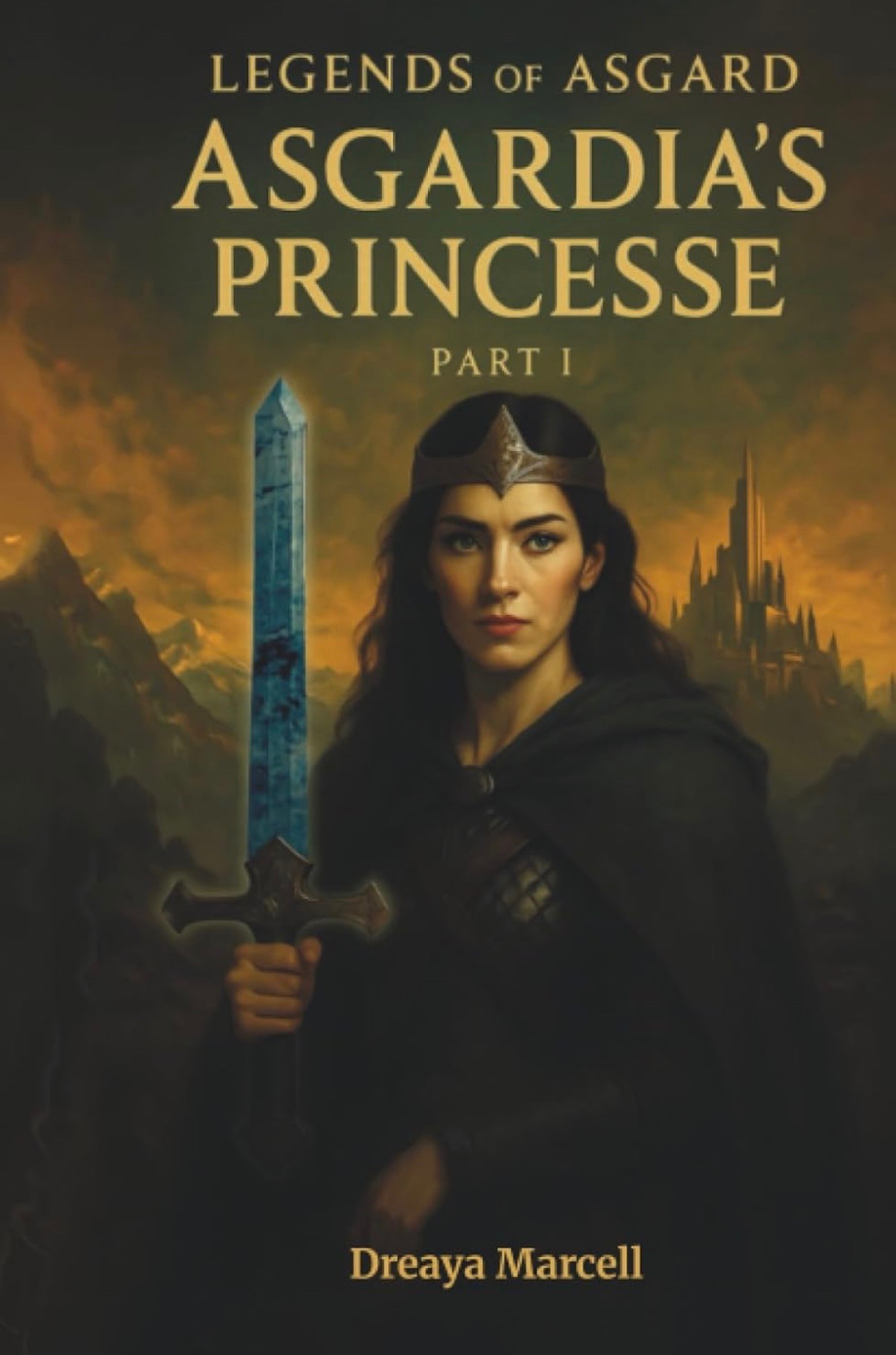
A goddess born into expectation learns that survival is not the same as freedom.
For readers drawn to divine inheritance, political rebellion, and consequences that unfold across generations.
Begins With: